
Scalping vs Day Trading
Scalping vs Day Trading

Introduction
In the world of Forex trading, there are multiple strategies that traders use to capitalize on price movements. Two of the most common approaches are scalping and day trading. Both strategies involve short-term trades, but they differ significantly in terms of execution, time commitment, and risk management.
Understanding these differences is crucial to choosing the right strategy for your trading style. This article will delve into the core characteristics of scalping and day trading, comparing the two to help you determine which is best suited to your trading goals.
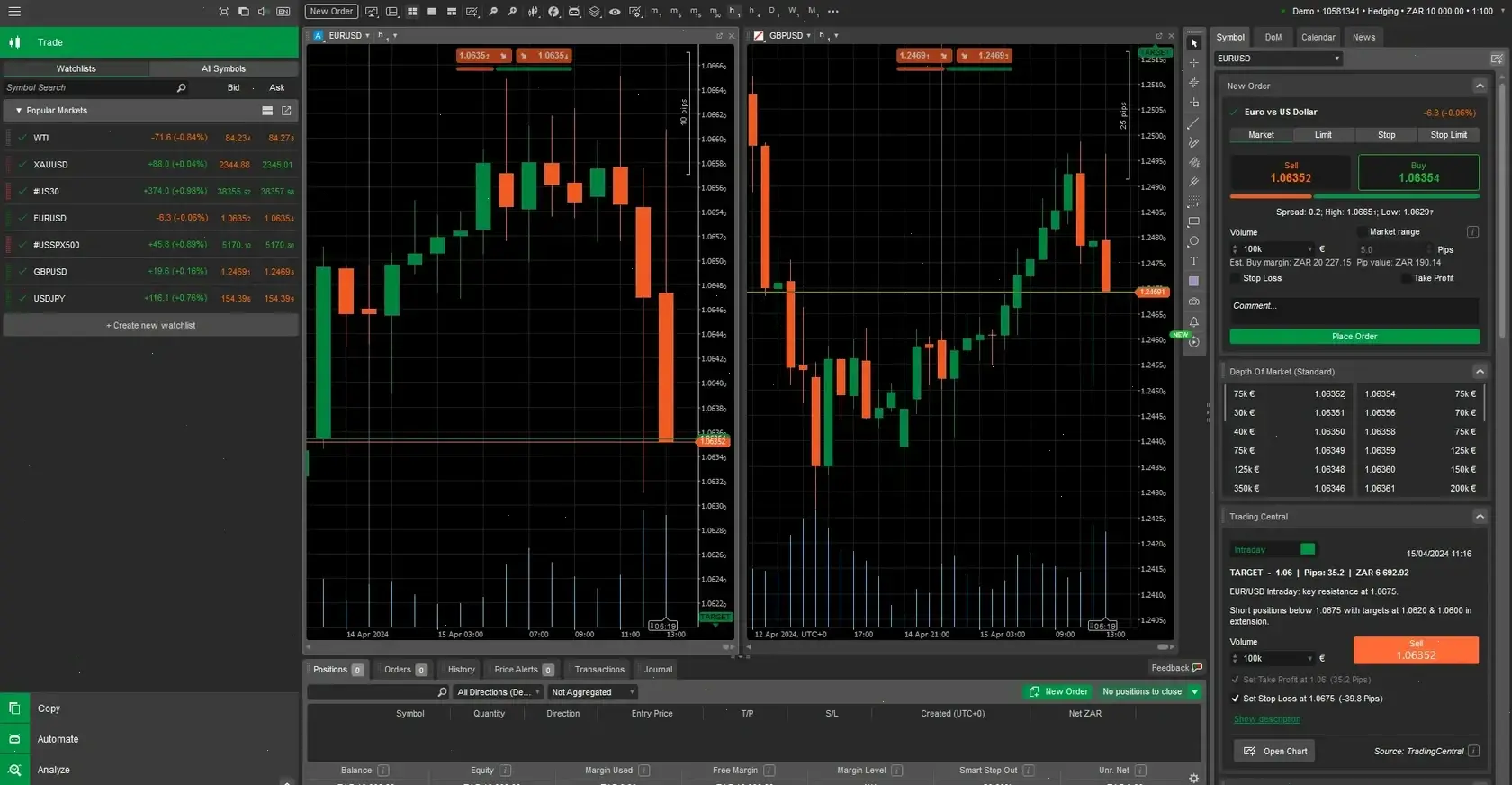
What is Scalping?
Scalping is a trading strategy that involves making numerous quick trades throughout the day to profit from small price movements. The goal of a scalper is to enter and exit trades swiftly, often holding positions for a few minutes or even seconds. Scalpers typically aim to capture small price changes, making many trades during a single session.
Key Characteristics of Scalping:
- Trade Duration: Extremely short, usually seconds or minutes.
- Profit Per Trade: Small, but accumulated through frequent trades.
- Trading Frequency: High, often involving dozens of trades in a single day.
- Risk: High due to rapid price movements.
- Tools Used: Short-term indicators like moving averages, Bollinger Bands, and stochastic oscillators.
Pros of Scalping:
- Frequent Profit Opportunities: With many trades executed, the chance of making profits increases.
- Minimal Market Exposure: Positions are held for a very short time, reducing exposure to adverse market movements.
- Can Be Done in Volatile Markets: Scalpers often capitalize on periods of high volatility.
Cons of Scalping:
- Requires Significant Time Commitment: To be successful, scalpers need to monitor the market constantly.
- High Transaction Costs: Multiple trades mean higher commission fees and spread costs.
- Requires Intense Focus: Scalping demands quick decision-making and precision.
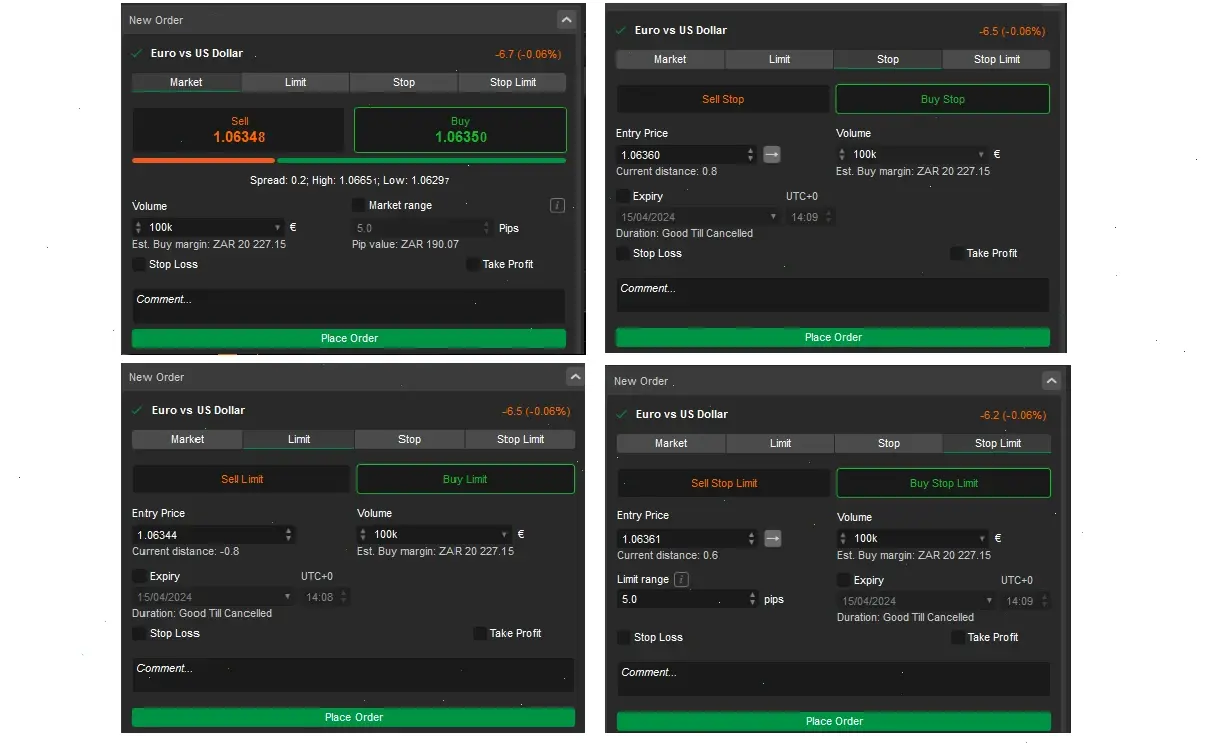
What is Day Trading?
Day trading involves buying and selling assets within the same trading day. Unlike scalping, day traders typically hold positions for several minutes to a few hours. The goal is to profit from short-term price movements while closing all positions before the market closes for the day.
Key Characteristics of Day Trading:
- Trade Duration: Can range from a few minutes to several hours, but positions are always closed by the end of the trading day.
- Profit Per Trade: Larger than scalping, but fewer trades are made.
- Trading Frequency: Moderate, usually involving fewer trades than scalping but more than swing trading.
- Risk: Moderate, as positions are held longer than in scalping.
- Tools Used: Technical indicators, chart patterns, and support/resistance levels.
Pros of Day Trading:
- More Time to Make Decisions: Day traders have more time to assess their trades compared to scalpers.
- Higher Profit Potential Per Trade: Unlike scalping, day traders can capture more substantial price movements.
- No Overnight Risk: All positions are closed by the end of the trading day, eliminating the risk of holding positions overnight.
Cons of Day Trading:
- Requires a Larger Capital: Since each trade targets larger price movements, day traders often require more capital.
- Intensive Market Monitoring: Though not as constant as scalping, day traders still need to keep an eye on the market throughout the day.
- Higher Transaction Costs: Although fewer trades are made than in scalping, each trade is often larger, leading to higher costs.
Scalping vs Day Trading: Comparison
Here is a comparative table that summarizes the differences between scalping and day trading:
| Feature | Scalping | Day Trading |
|---|---|---|
| Trade Duration | Seconds to minutes | Minutes to hours |
| Profit per Trade | Small | Larger |
| Frequency of Trades | High | Moderate |
| Capital Requirements | Low to moderate | Moderate to high |
| Risk | High | Moderate |
| Time Commitment | Very high (constant monitoring) | High (frequent monitoring) |
| Best for | Active traders looking for quick profits | Traders who can dedicate several hours per day |
Which Strategy is Right for You?
Choosing between scalping and day trading depends on your personal trading style, risk tolerance, and available time. Here’s how to decide:
- If you have limited time: Day trading might be a better choice as it requires less constant monitoring than scalping. You can plan your trades and take advantage of larger price movements during the day.
- If you enjoy quick decision-making and have a lot of time to dedicate to trading: Scalping could be a good fit, as it allows you to make many trades and potentially profit from small price movements.
- Risk tolerance: Scalping carries higher risks due to the quick trades and small profit margins. If you are willing to take on that risk for the potential of frequent profits, scalping might suit you. However, if you prefer a more moderate risk approach with fewer trades, day trading could be more appropriate.
Managing Risk with Both Strategies
Both scalping and day trading come with their own unique risk profiles. However, by implementing solid risk management techniques, traders can mitigate these risks. Here are some key risk management strategies to consider:
- Set Stop-Loss Orders: Always use stop-loss orders to limit potential losses. This is crucial in both scalping and day trading, where quick market moves can lead to significant losses if not managed properly.
- Use Proper Position Sizing: Ensure your position size is appropriate for your risk tolerance and capital. Avoid risking too much of your account on a single trade.
- Monitor Market Conditions: Volatile market conditions may favor scalpers, while more stable market environments may be better suited for day traders.
Conclusion: Which Strategy Should You Choose?
Scalping and day trading are both effective strategies, but they suit different types of traders. Scalping works best for those who can monitor the market constantly and are comfortable with high-frequency trading. On the other hand, day trading offers more flexibility, allowing traders to hold positions for longer periods while still closing them by the end of the day. Both strategies require discipline and a solid understanding of the markets.
Regardless of which strategy you choose, it’s essential to implement risk management techniques and have a clear plan in place. With the right approach, both scalping and day trading can be highly rewarding.
FAQ (Frequently Asked Questions)
- What is the main difference between scalping and day trading?
- Scalping involves making many small trades throughout the day with very short holding times, while day trading focuses on holding positions for a few minutes to hours within the same trading day.
- Which strategy requires more time?
- Scalping requires constant market monitoring throughout the day, making it more time-intensive than day trading.
- Can I profit more from scalping or day trading?
- Both strategies can be profitable, but day trading generally allows for larger profits per trade, while scalping focuses on many smaller profits.
- Is scalping riskier than day trading?
- Yes, scalping tends to be riskier due to the higher frequency of trades and smaller profit margins. However, the potential for frequent losses also exists.
- What tools should I use for scalping or day trading?
- Scalpers typically use short-term technical indicators like moving averages, while day traders may rely on chart patterns, support and resistance levels, and longer-term technical indicators.